Mutations are how cancer starts.
The NSW Government’s Mutations advertising campaign shows how smoking damages cells that can lead to cancer.
If seeing the impact of smoking has hit hard - you’re not alone. iCanQuit can help you take the next step, your way.
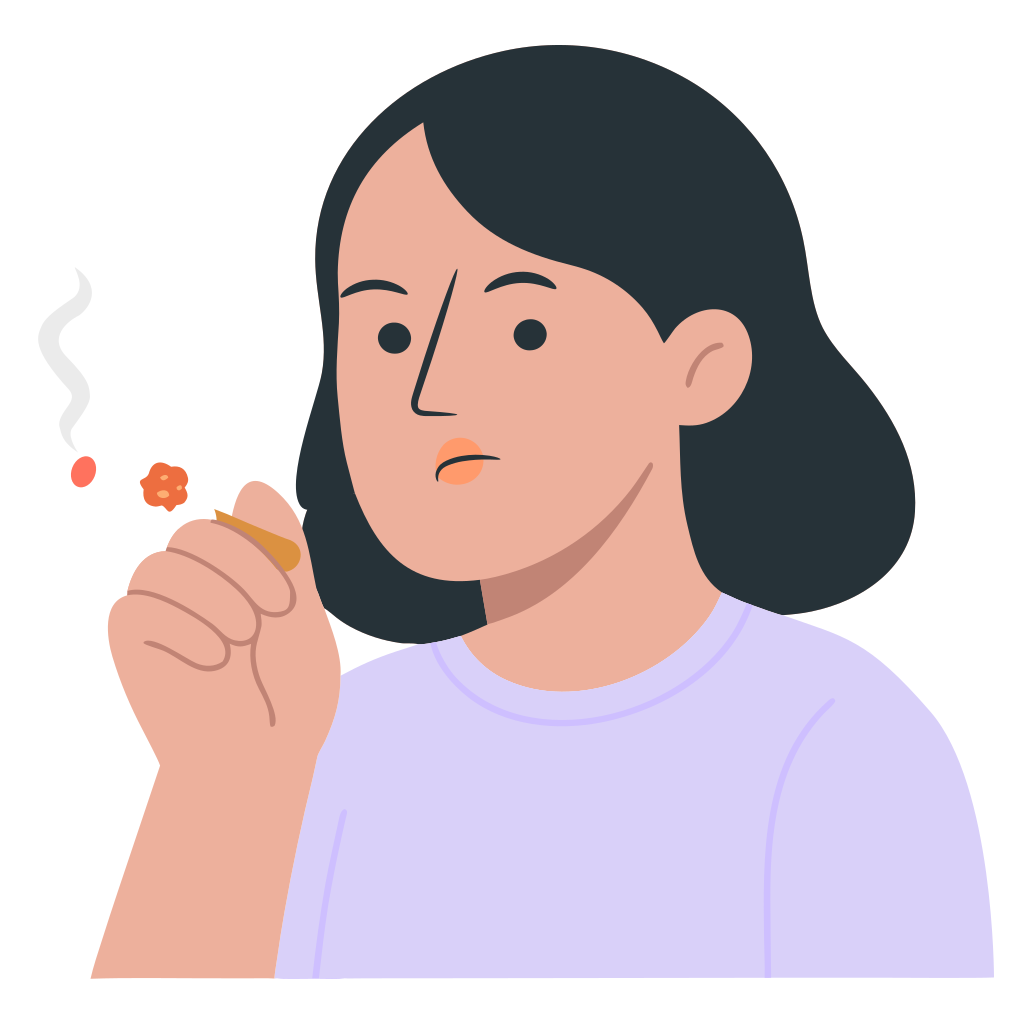
Concerned, motivated, or shaken? We can help
Seeing something like this can bring up strong feelings and that’s a natural response.
- Mutations shows how smoking can damage cells and lead to cancer.
- If you’re feeling worried, disgusted, or motivated - that reaction is normal.
- The most important thing: support is available right now.
And we're here to help you take the next step.

What changes when you quit
What changes when you quit
From the moment you stop, your body begins repairing damage and your cancer risk starts to shift in a safer direction.
In the first day...
- Your body stops taking in cancer‑causing chemicals. Carbon monoxide levels in your blood drop, and Oxygen levels recover and cells are no longer being damaged by smoke.
In the first few weeks...
Your lungs start clearing out toxins and damaged cells begin repairing. This helps lower ongoing harm that can lead to cancer over time.
Longer term...
The longer you stay smoke‑free, the more your risk of smoking‑related cancers continues to drop. Each smoke‑free day helps protect your body from future damage.
Choose your next step
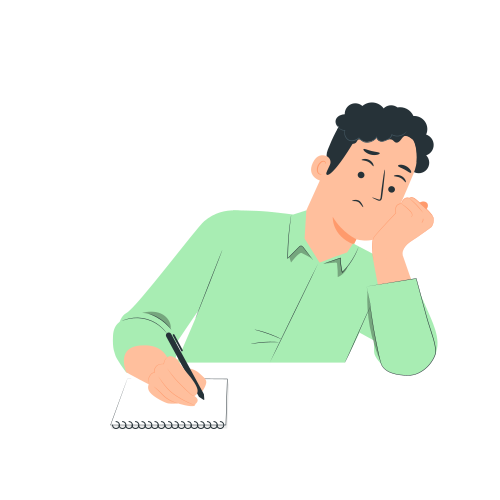
If quitting feels like too much right now, that’s okay. Learning how nicotine works and talking things through can help you feel more prepared - when the time is right.
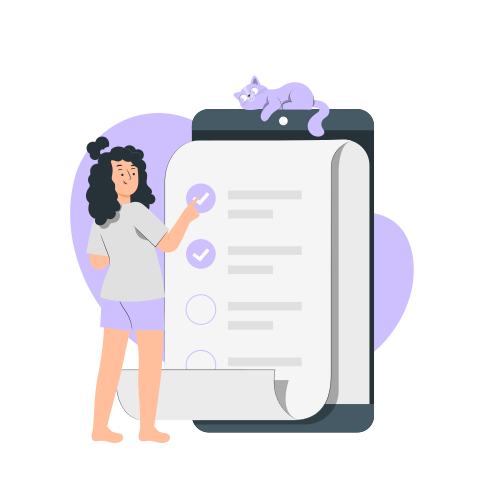
Many people feel stuck between wanting to quit and not feeling ready. Looking at the pros and cons (with support) can help you decide your next move.

If you’re ready to quit, having a plan makes it easier. Setting a quit date and preparing for cravings can help you stay on track.

Slip‑ups can happen and they don’t mean you’ve failed. Support, planning and checking in with others can help you stay smoke‑free.
You don’t have to do this alone